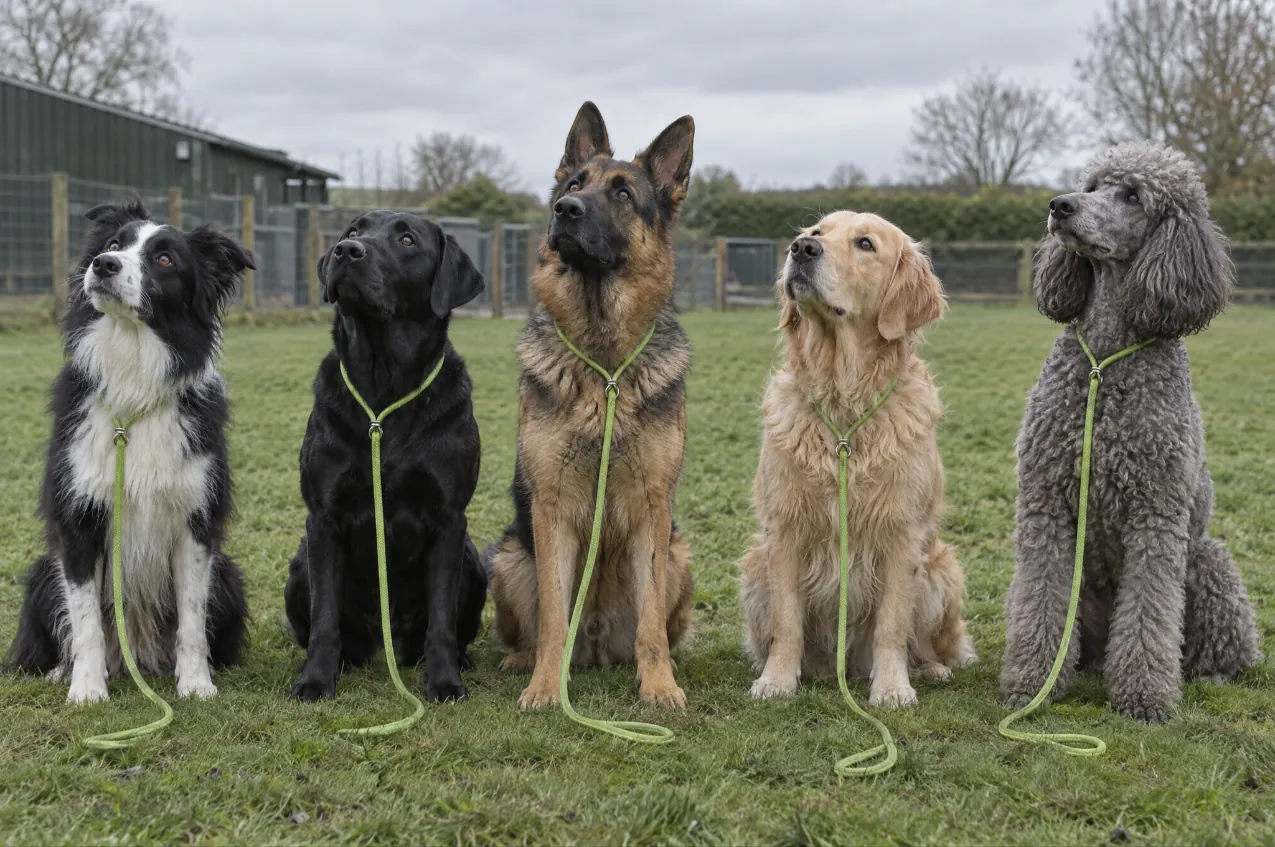
Dogs are known as man’s best friend for a reason: they are loyal, loving and can be incredibly intelligent. Some breeds, though, were bred specifically to work closely with people, and it shows in how quickly they learn. Psychologist Stanley Coren’s well-known ranking of working and obedience intelligence puts the border collie first, followed by the poodle, the German Shepherd and the golden retriever, with the Labrador also in the top ten.
1. Border collie
The sheepdog’s sheepdog: quick, focused and tireless. The catch: a bored collie invents its own jobs, like herding bikes, joggers or children. They need daily training and real mental work, not just miles.
2. Poodle
Originally a water retriever, the poodle (standard, miniature or toy) is sharp, sensitive and eager to learn. The catch: they notice everything and can become anxious without clear, kind routines.
3. German Shepherd
Loyal and versatile, which is why they are used for police, search and assistance work. The catch: young shepherds can be excitable and protective; early socialisation and lead manners make all the difference.
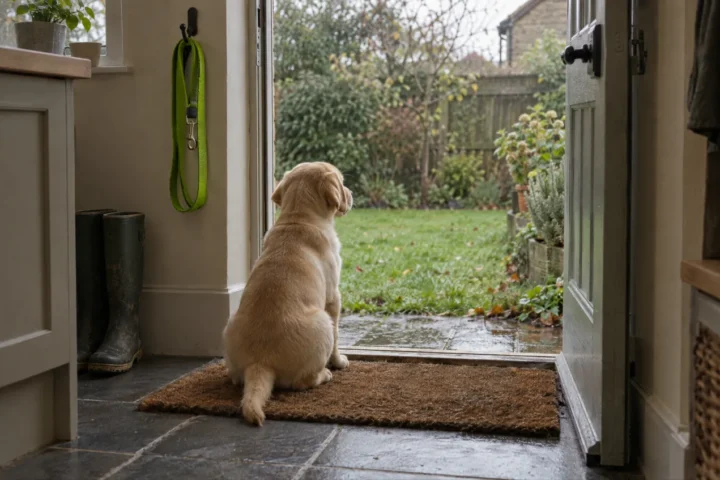
4. Golden retriever
Gentle, food-motivated and famously good-natured. The catch: that enthusiasm often shows up as jumping up and pulling towards every new friend.
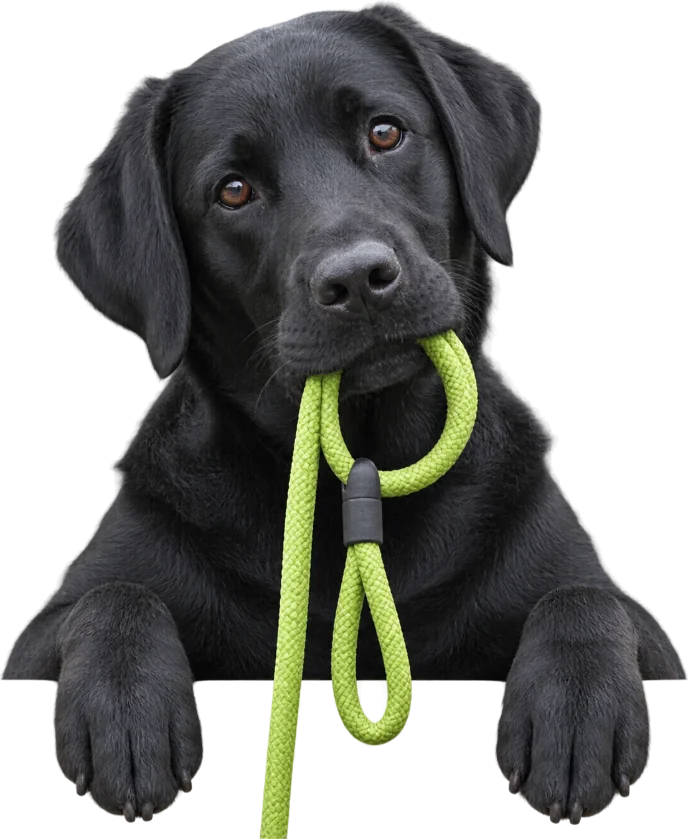
5. Labrador retriever
A gundog through and through: biddable, greedy for rewards and happiest with a job to do. The catch: Labradors mature slowly and can stay bouncy for their first couple of years.
Does breed really matter?
Breed tells you what a dog was bred to do, not what your dog will do. Every dog is an individual, and the most trainable breeds can be the hardest to live with if their brains aren’t kept busy. Consistent, positive training matters far more than the name on the pedigree.
Training a working breed?
Our Advanced / Working Breeds course gives high-drive dogs 15 days of intensive training at a licensed kennel, including general obedience, then a handover lesson so you can keep it going. Find your nearest centre: Southampton, Oxfordshire or South London.